Artist Spotlight: Tahira Noreen
Based in Islamabad and trained at the prestigious National College of Arts Lahore, Tahira Noreen has emerged as one of Pakistan’s most compelling young contemporary artists working with wasli paper — a historically traditional South Asian material that she transforms into something radically new.
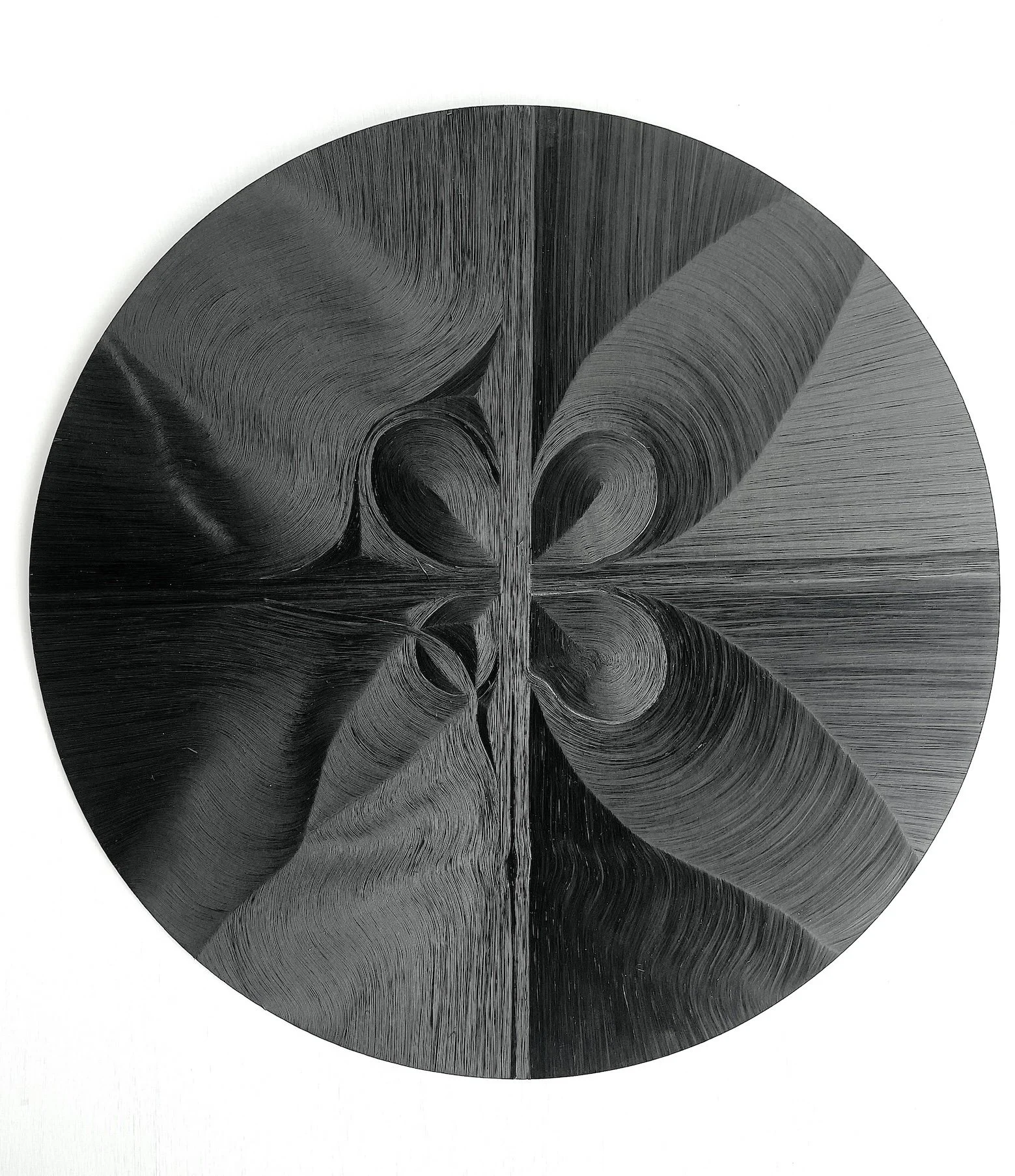
Through meticulous blade-cutting, sculptural layering, and a conceptual engagement with mapping, memory, and movement, Noreen has developed a practice that sits at the intersection of Minimalism, cartography, and personal narrative.
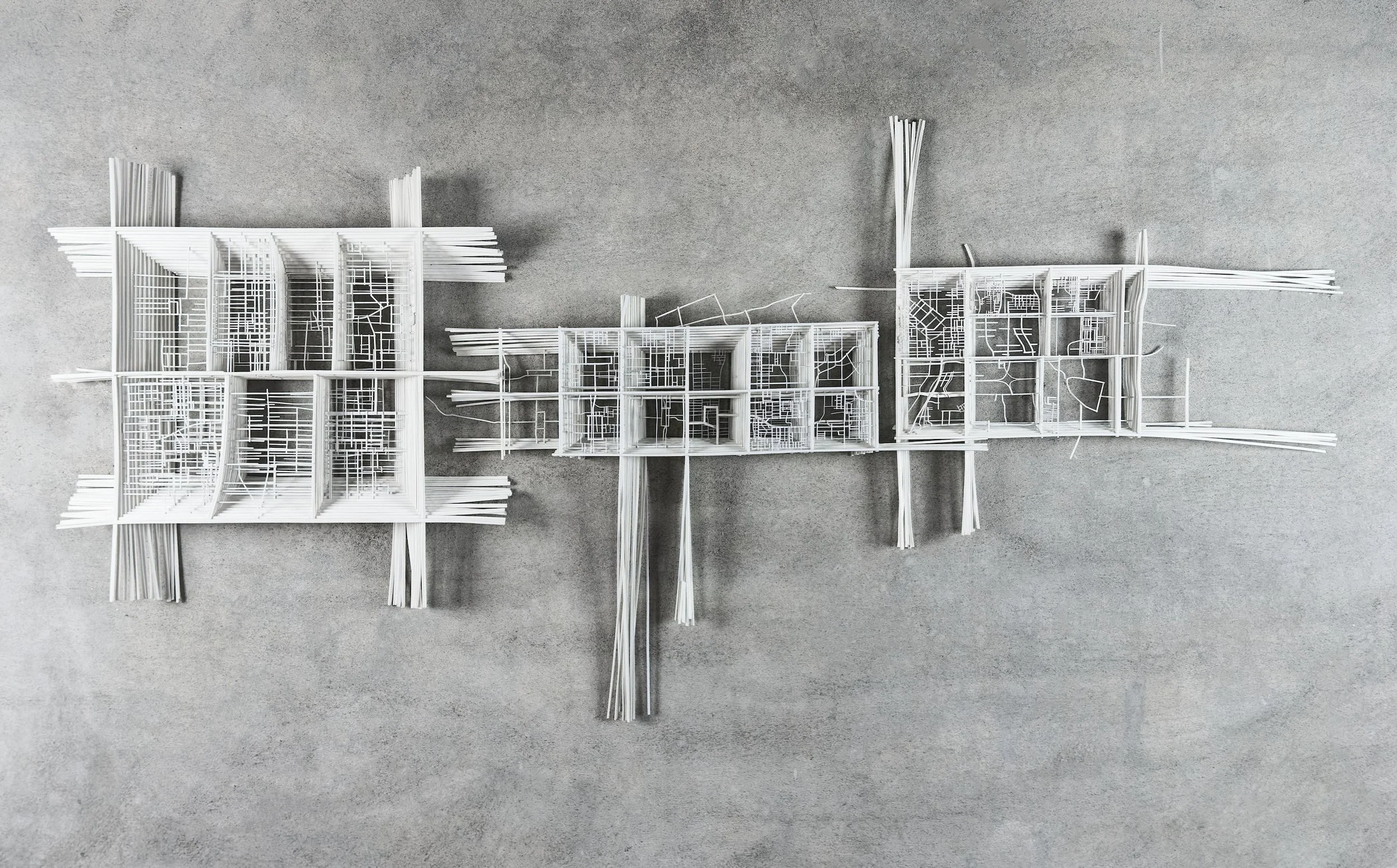
Zero Point
Precision cutter on wasli
Image courtesy: Tahira Noreen
Her work occupies a space where drawing becomes sculpture, where two-dimensional surfaces appear mysteriously three-dimensional, and where time itself seems to settle into paper.
Between Stillness and Movement
Islamabad plays a central role in Noreen’s artistic vocabulary. The city’s quietness, its roads, and its shifting political geography shaped her early years as an art student commuting between Islamabad and Lahore. She began by sketching the routes she travelled daily, tracing the lines, detours, and interruptions imposed by the structure of the city.
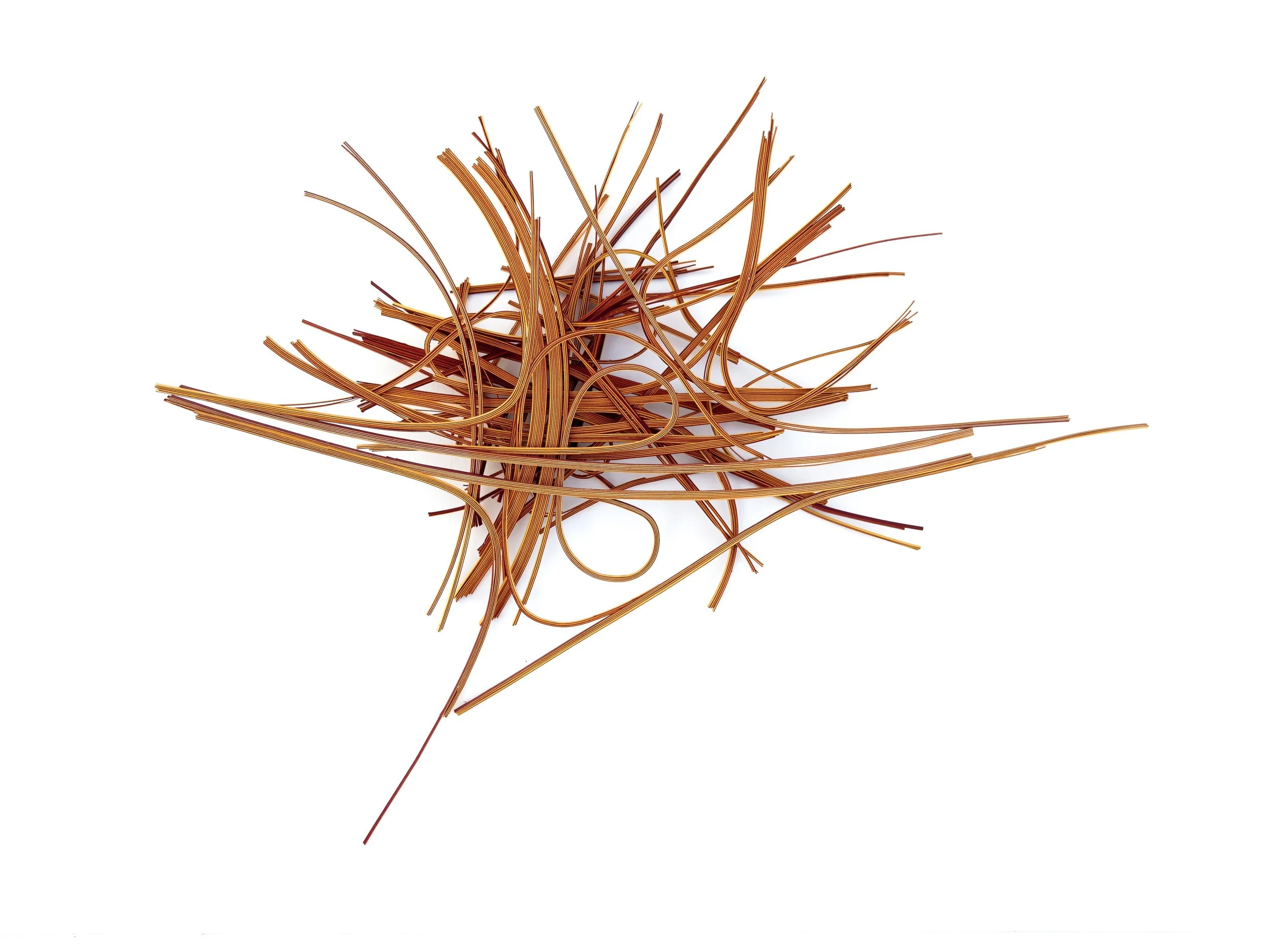
My Memory Fails Me
Precision cutting and pasting with wasli paper
Image courtesy: Tahira Noreen
“For me, the changing routes and interruptions within any landscape become a kind of conversation, between the lived, physical grid and the imagined one I carry within.”
This tension — between stillness and movement, order and disruption — continues to define her practice. Each work is a distillation of lived experience: the sensation of travelling, the shifting structure of a landscape, the way memory solidifies and dissolves.
A Language of Lines, Cuts, and Light
Noreen’s primary medium is wasli, but not in its conventional form. Instead of painting miniature images onto the paper, she cuts into it, carves it, dyes it, and constructs sculptural reliefs that hover between 2D and 3D.
She speaks often of her affinity for Minimalism — especially Agnes Martin and Sol Lewitt, whose influences appear not as imitation but as a shared devotion to clarity, repetition, and structure.
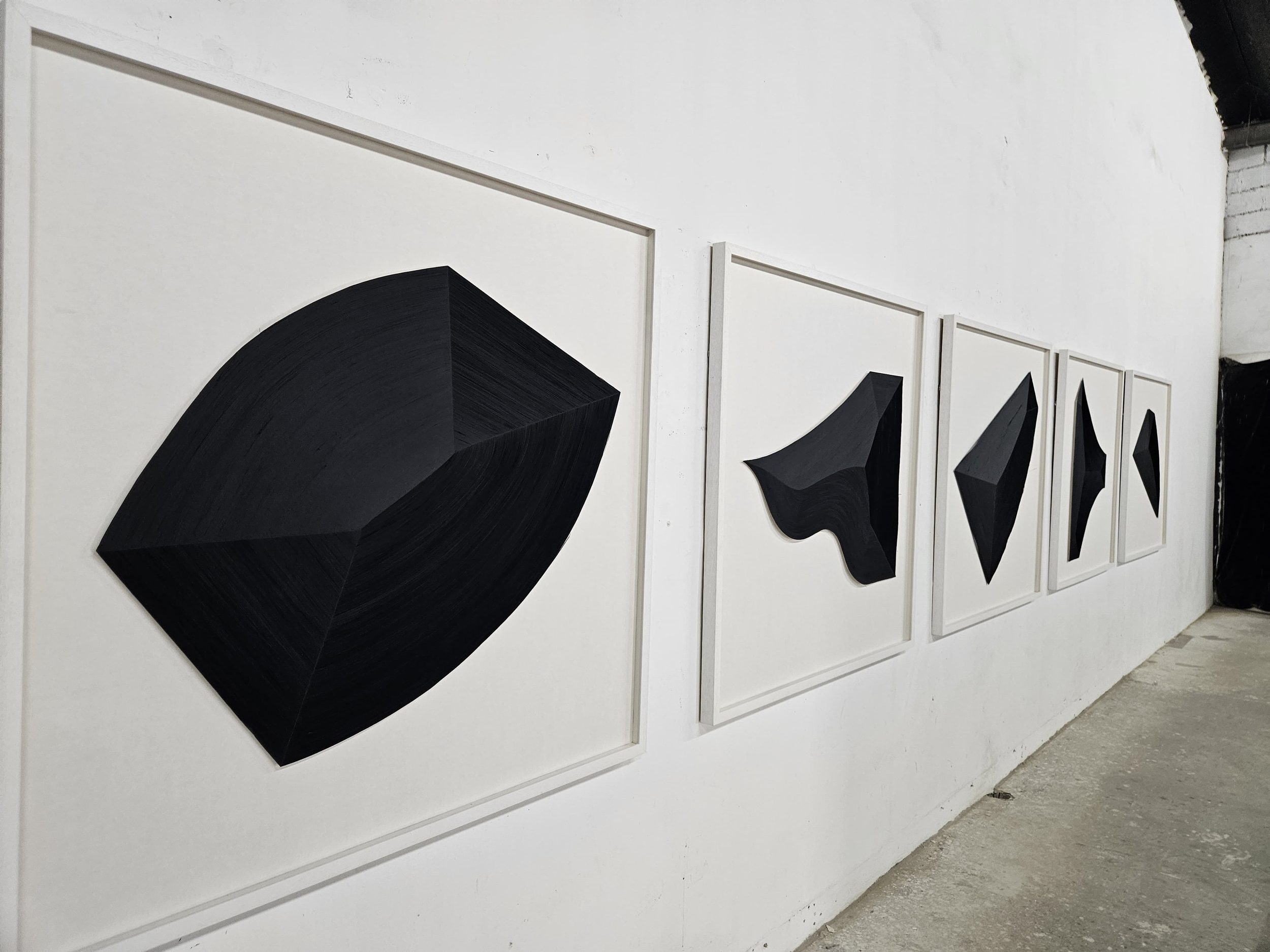
Her works change with the light: shadows slip across the blade-cut surfaces and trick the viewer into perceiving depth where there is none
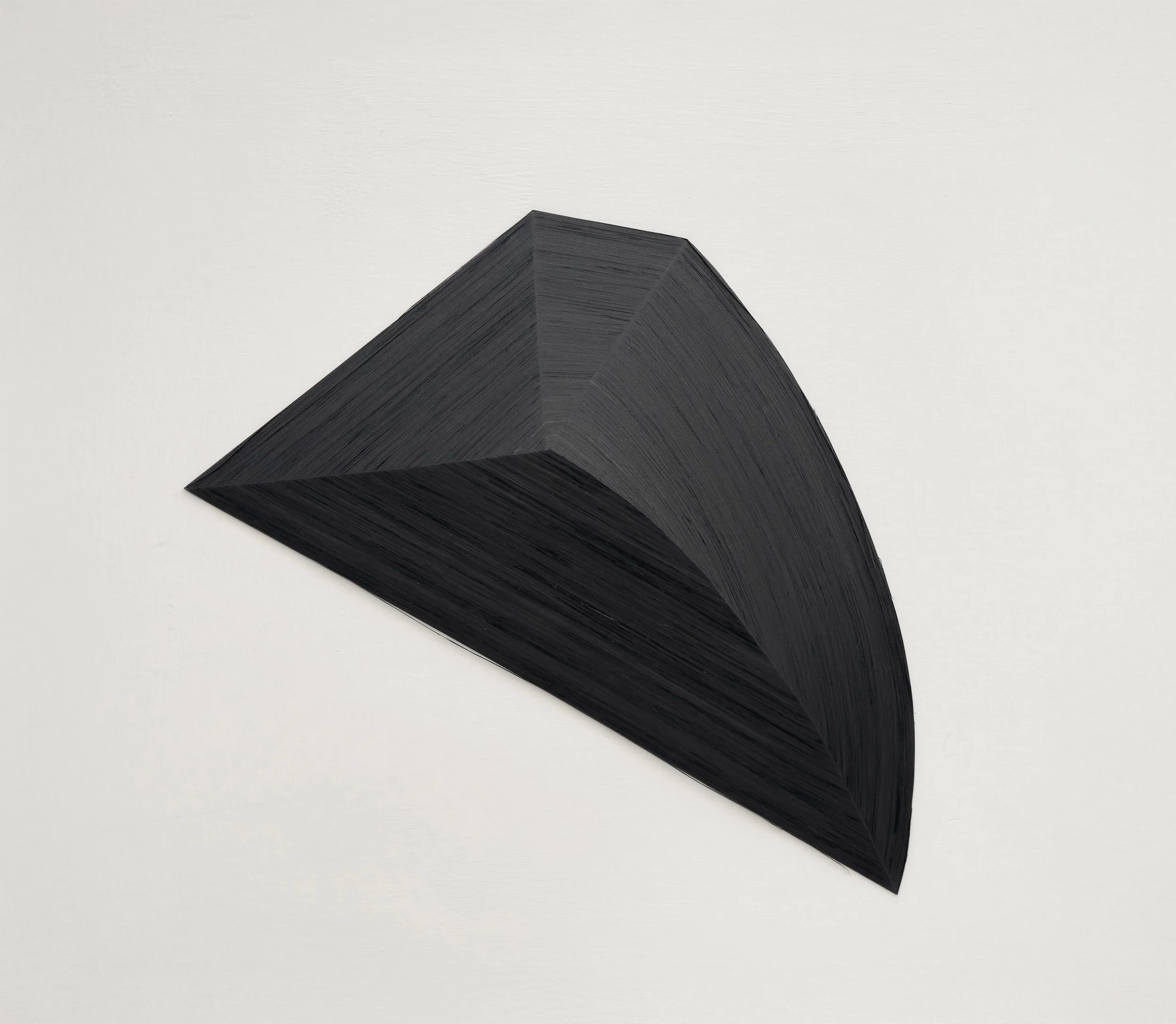
She notes with amusement that people often ask whether a work is three-dimensional: “It’s all 2D — the shadows create the illusion. I paint with a cutter.”
Inset I
Precision cutting on wasli paper
Image courtesy: Tahira Noreen
This play between perception and materiality is essential to her exploration of time. Each thin cut, each layer, is a record of duration — a mapping of both physical and psychological movement.
Process: Where Concept Meets Material
Noreen works on multiple pieces at once, shifting between carving, dyeing wasli sheets, and constructing sculptural forms. Some works grow from her ongoing engagement with maps: she creates instruction-based drawings, screenshots city grids, and reshapes them into abstracted cartographies. Others are more intuitive, emerging from repetition, rhythm, or the texture of the paper itself.
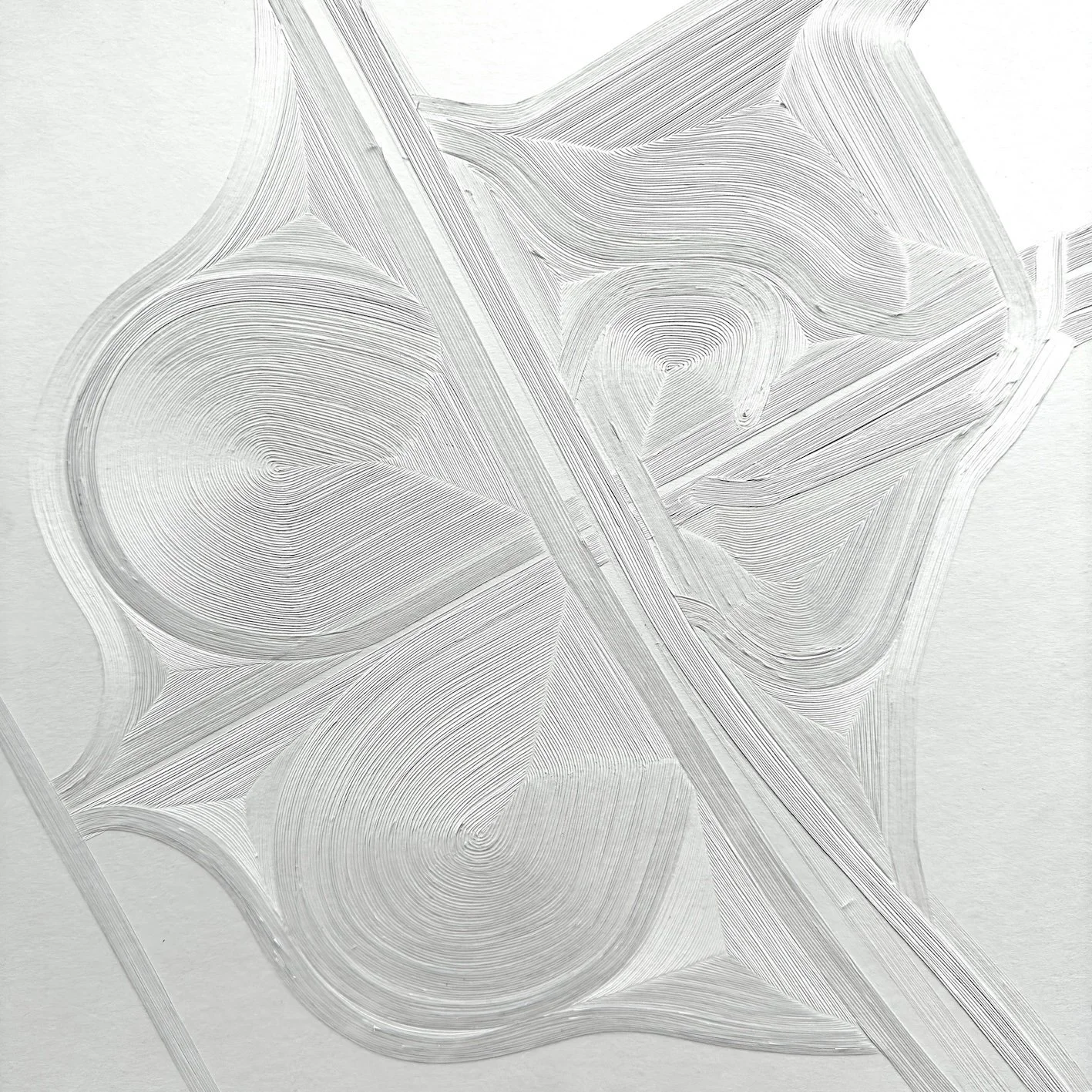
Loop
Precision cutting on wasli paper
Image courtesy: Tahira Noreen
Her approach balances planning and spontaneity: “I follow ideas I can mould. Some come from the material; some come from the movement of the day.”
Importantly, exhibiting is integral to her process. Each show—whether in London, Dubai, Karachi, or Islamabad—pushes the work into a new direction: “Once you show it, you know what must come next.”
Navigating Memory
At the heart of her practice is a deep philosophical interest in memory, time, and the movement of the self through space. The map-like lines echo routes travelled, while the cuts and shadows represent the gaps, distortions, and intensities of remembering.
“The constant feeling is that time is passing and you sit with the work and absorb that movement.”
Home
Precision cutting and pasting with wasli paper
Image courtes: Tahira Noreen
Some pieces cut through parts of real maps, though the locations are no longer recognizable. What remains is an emotional geography. A memoryscape. A trace.
Ambition and the Road Ahead
Tahira Noreen is candid about her ambitions: she wants to work closely with a gallery committed to a long-term vision. Pakistani galleries, she notes, rarely offer representation. She seeks a space where her work can enter the global art market with care, context, and support.
Her participation in the first-ever Pakistan Triennale in 2025 marks a milestone in her practice, as do her exhibitions at MK Gallery (UK), Alserkal Avenue (Dubai), Canvas Gallery (Karachi), and multiple international residencies.
Yet her imagination extends further still:
“One day, I dream of making a time–space portal,” she says with a smile. Half-joking — but half-literal. Her work already performs this gesture, carving space and time into paper, inviting viewers to cross into a different kind of landscape.
Installation view of the artist’s Inset series (I-V)
Paper cutting on wasli paper
Image courtesy: Tahira Noreen
A Practice Moving Forward
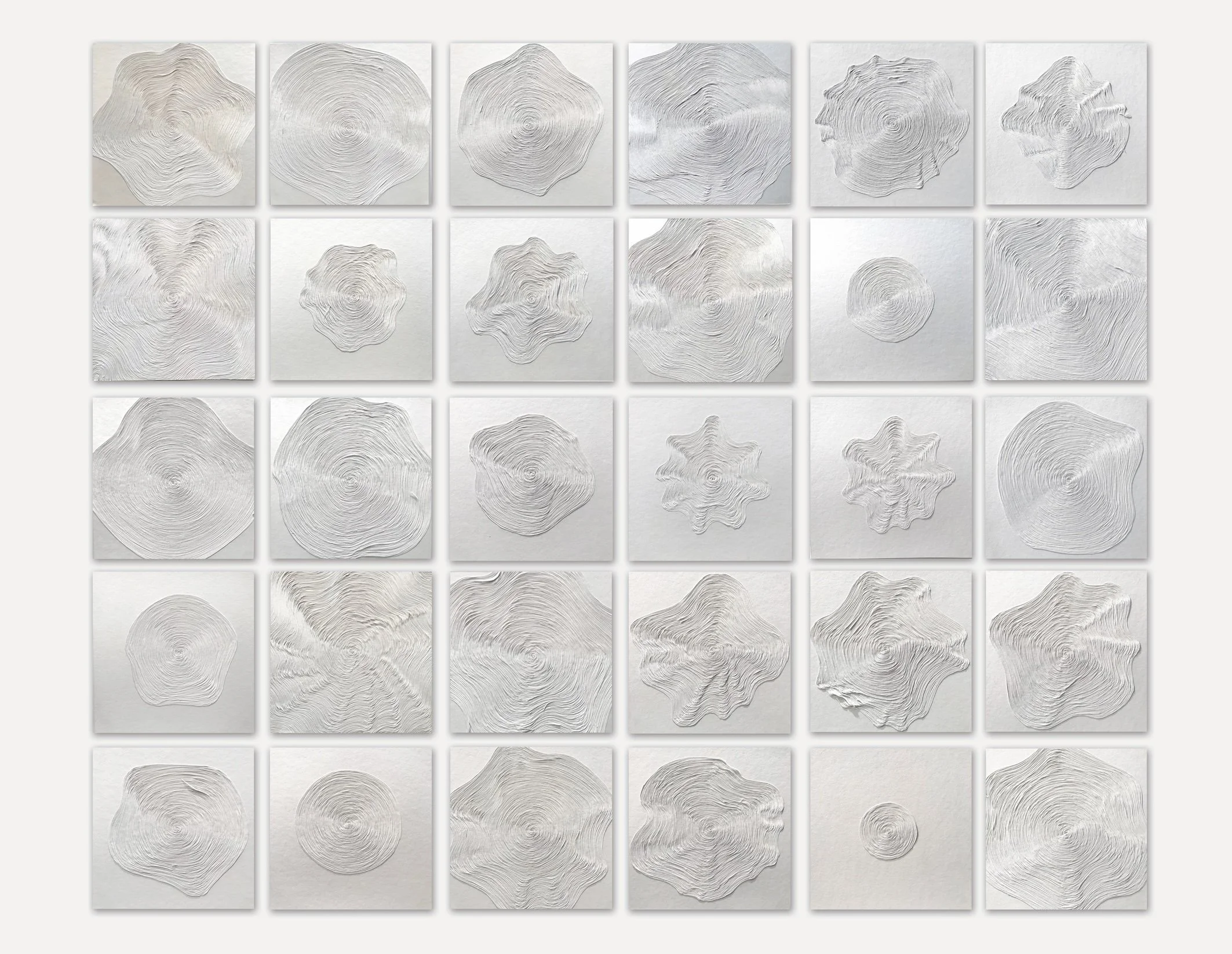
I Am Not A Machine
Precision cutting on wasli paper
Image courtesy: Tahira Noreen
Describing her work, she offers a clear statement of purpose: “An exploration of the medium — to show movement through time and space, shaped by my travels.”
Contemporary, conceptual, and deeply rooted in material experimentation, Tahira Noreen’s practice aligns precisely with Opera Art Advisory & Collective’s mission: to support artists who contribute meaningfully to the evolving global art conversation, and whose works open new ways of seeing.
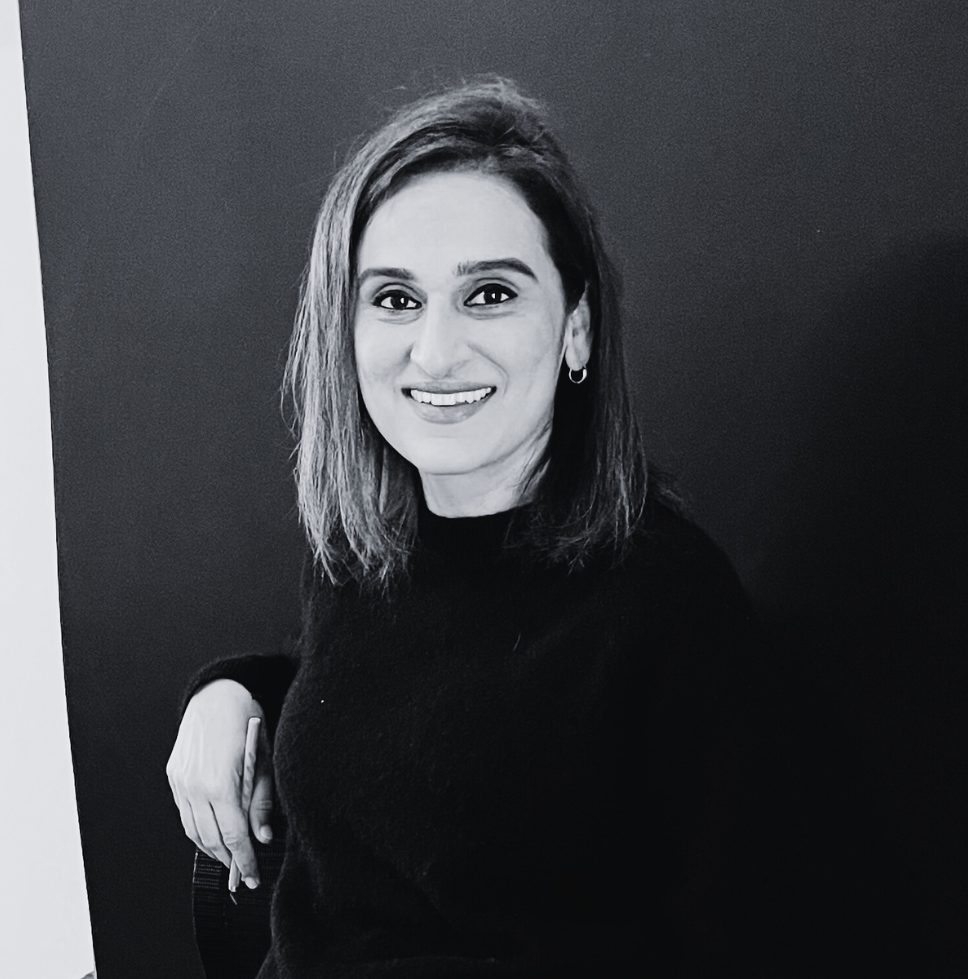
Tahira Noreen embodies the spirit of Opera Art Advisory & Collective — thoughtful, precise, and concept-driven, with a practice that bridges continents and histories.